This Is why you get headaches before or during your period
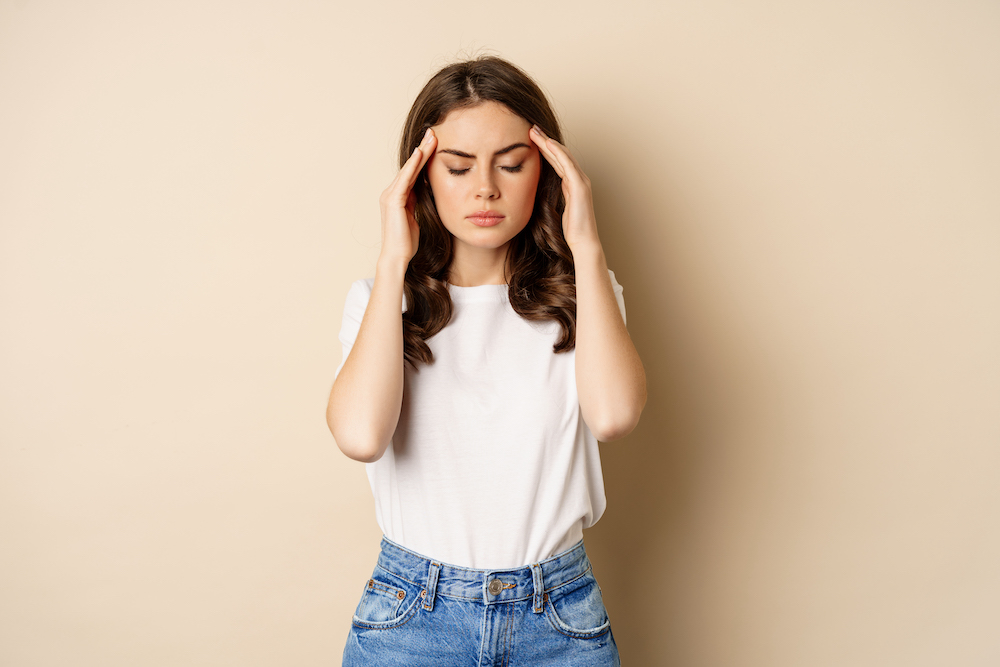
Periods can come with a host of uncomfortable symptoms—cramps, bloating, nausea, and more. To make matters worse, many people also experience painful, throbbing headaches before or during their period.
Why do headaches happen before and during your period?
Headaches related to menstruation are common and are often referred to as menstrual migraines or hormonal migraines. These headaches typically occur at the start of your period or within two days before or after. You may also experience accompanying symptoms like nausea.
The good news? These headaches usually subside by the second or third day of your period. But in the meantime, there are ways to manage them.
Why the headache?
The culprit behind these headaches is estrogen. The rapid drop in estrogen levels just before your period begins can trigger headaches and other menstrual symptoms.
Here’s a brief overview of your menstrual cycle: during ovulation, estrogen levels peak, and the body produces a significant amount of progesterone. These hormone levels remain elevated for a while, but if pregnancy doesn’t occur, estrogen and progesterone production sharply decrease about a week later, triggering your period.
This sudden drop in hormones affects brain chemicals that influence pain perception. In some cases, this causes blood vessels to constrict more quickly, leading to the onset of headaches.
What can you do?
Prevention is key. Here are some helpful tips to reduce the likelihood of menstrual headaches:
- Stay hydrated: Dehydration can worsen headaches, so drink plenty of water throughout the day.
- Get enough sleep: A well-rested body is better equipped to handle hormonal fluctuations.
- Avoid triggers: Limit smoking, alcohol, and caffeine intake, as they can exacerbate headaches.
- Manage stress: Stress can amplify headaches, so practicing relaxation techniques may help.
- Track your cycle: Keep a record of when you experience headaches to spot patterns and manage symptoms more effectively.
If your headaches become severe or persistent, it’s always a good idea to consult your doctor for additional support and treatment options.
By understanding the hormonal changes that trigger menstrual headaches and taking preventive steps, you can better manage this common yet frustrating symptom.